This is a heading
traveling blog
Sarcheshmeh Khansar Park
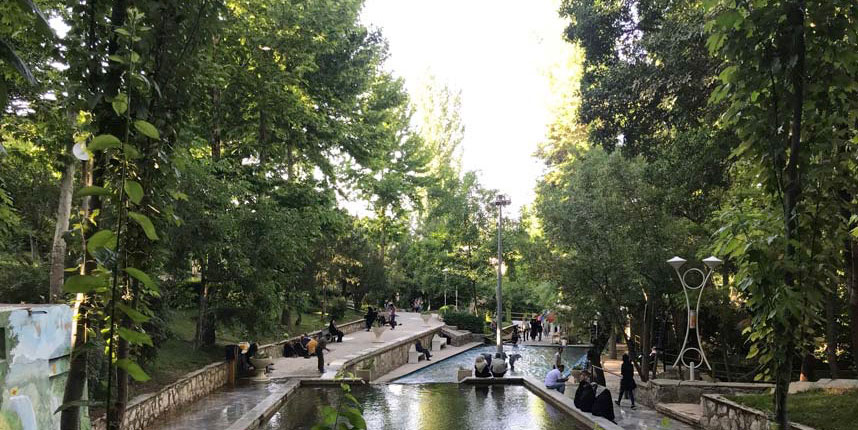
Khansar is a low-population transportation town just two hours from Isfahan and known for its overturned tulips, honey and alleyways of its dream gardens. The name "Khansar" means springs and as the name implies, the city is full of glorious springs and green and fresh nature. Sarcheshmeh Forest Park is one of Khansar's most important tourist attractions and attractions. This 2-acre park is located on the slopes of Mount Seal in the south of the city. Sarcheshmeh Park with its tall and lush trees, boiling springs and cool shades and clean air are the beauties of this city. The park was designated as a Tourism Area by the Heritage, Crafts and Tourism Organization in year 6. The park currently hosts tourists from all over the country, especially from May to the end of September. The average number of tourists arriving at the park from May to September is about 3,000 on weekdays and more than 6,000 on holidays. The unique feature of the park is its two natural springs called the Marzengasht spring (Ostrich spring) and the old spring. The fountains that sprout from the mountains are in the refreshing summer heat of the tourists. People drink their cool water and bring some home with them. Special platforms are also provided in the park so that visitors can relax and relax in the forest park. with an iran budget tour you can have a memorable trip to iran
WHERE IS IRAN
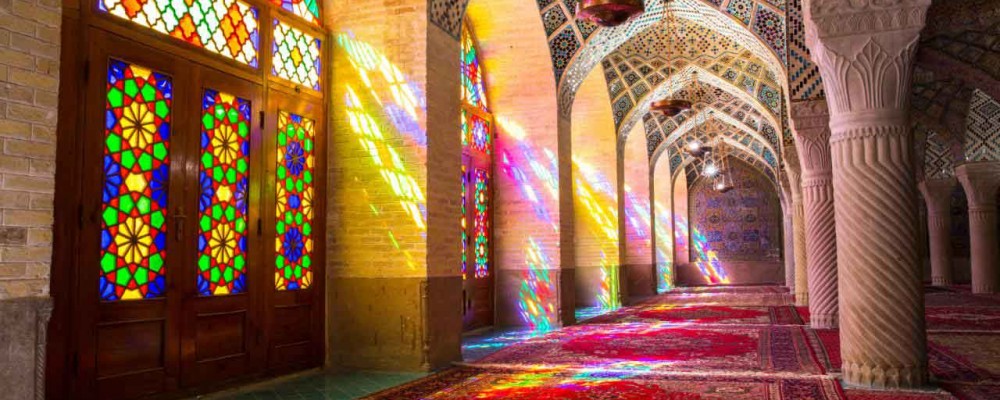
Iran is located in southwestern Asia and in the Middle East region, with an area of about 1.5 million square kilometers and is one of the largest countries in the region with a population of about 2 million people. Tehran is the largest and most populous city as the political center and capital of Iran. Iran's borders are bounded on the east by Afghanistan and Pakistan, on the west by Turkey and Iraq, on the north by the Republic of Azerbaijan, Armenia, Turkmenistan and the Caspian Sea, and on the south by the Persian Gulf and the Oman Sea. Iran along with Afghanistan and Tajikistan has an official Persian language and its official religion is Islam. Iran is one of the oldest countries and one of the first founders of human civilization in the world. It has always had a strategic and strategic role by being located in Central Asia. Iran is a member of the United Nations, the Non-Aligned Movement, the Organization of the Islamic Conference, the countries producing and selling oil: OPEC, ECO and many more. read more about iran, in Iran tour operator site.
Why travel for nose surgery?
The decision to travel for nose surgery is influenced by several factors:
Some people travel because the cost of nose surgery in the country is cheaper
Some people travel because there is no skilled specialist in nose surgery in their country.
And others decide to travel for nose surgery for better quality and greater accessibility.
According to statistics, one of the most popular cosmetic surgeries in Iran is nasal surgery, which is why specialists and skilled nose surgeons have grown in Iran and the journey to nasal surgery has increased.
The president of the Fifth International Congress of Iranian Rhinology Society has stated that the reason for the prevalence of nasal surgery in Iran is the high quality of nasal surgery, the experience and knowledge of physicians, the specific anatomy of the Iranian nose and its low cost compared to other countries. iran health tourism has become increasingly popular, especially in the field of nose surgery and a trip to Iran for nose surgery.
Paul Veresk and the Three Gold Lines
Versak Bridge is located in Versak Valley, in the village of Versk, 2 kilometers south of the town of Subaab and 2 kilometers south of Ghaemshahr, on the Firuzkoh axis and on the northern railway route. Paul Veresk is one of the masterpieces of engineering of his time. The bridge was built during the reign of Reza Shah in Iran by the Germans under the leadership of his Austrian master, Walter Inger. The volume of Veresk Bridge, which has 2 m of main arch span and 2 m height of the bottom of the valley, is 2 cubic meters. The overall length of the bridge is 3 meters. The greatness of this bridge, which actually connects two huge, hard mountains, is commendable. The bridge was a north-south rail link that was surprisingly made with very simple tools such as dynamite and manual drills and no steel structures were used in its construction. This bridge was called the Victory Bridge during World War II. iran tour operator
Today, besides being particularly important in the transportation industry, Paul Veresk is one of the tourist attractions of the country. One of the most important works of railway engineering in the north of Iran is Paul Veresk and is number 1543 of national registration. Passenger trains Tehran-Sari and Tehran-Gorgan pass through it twice every day for more than 5 years. Freight and fuel trains also pass by.
Damavand mountain
Damavand is a mountain in northern Iran that is the tallest mountain in Iran and the Middle East and the highest volcanic peak in Asia. It is located in the central part of Alborz Range in the south of the Caspian Sea and in the Larijan section of Amol city. Mount Damavand, which is part of Mazandaran province, is visible from the cities of Tehran, Varamin and Qom, as well as the Caspian coasts, when the weather is clear and sunny. with a Iran budget tour you can have travel to that city Mount Damavand was listed as the first natural work of Iran in the Iranian National List on July 30, 2009. Damavand Mountain has been listed as one of the four most valuable environmental protection sites since the year 6. Damavand is also mentioned in Iranian mythology, and its fame is most probably due to the fact that Zahak (his tyrant and dragon king) has been imprisoned there. In myths of Persian literature, this myth, and more generally Mount Damavand, is mentioned. In his Inchin slave: The river Harz (Haraz) is in worship and originates from Mount Damavand. Damavandia's tale is also known as Malek Shara'i Spring. Damavand has hot springs of Larijan, Esq and Vane.
shahrood cloud forest has many plant and animal species, waterfalls and numerous springs. Brown bears, wolves, leopards, wild pigs, jackals, foxes, rabbits, goats, shoals and snakes, and from Quebec birds, forest pigeons, quails, eagles, vultures, hawks, cuckoos and pheasants. Forests have been observed. The Cloud Forest has two waterfalls known as the Ashcrash and Alochal. The first one is for professional climbers, but the latter can be reached within 2 km of the jungle. Alochal consists of two cascades that overlap each other and are 5 m high. The road to Alochal passes through a spectacular area called the Paradise of Paradise. Head west to Cloud Village to reach the Paradise corridor. There is a dirt road that eventually reaches Shirin Abad Village. As you continue on your way, Mount Rustam is next to you. There is a staggered path along this mountain. Continue on your way to Paradise Corridor, then reach the fork of the Alochal Aber Waterfall within an hour's drive. This road is bypass. Cloud forest as the 144th natural heritage of Iran was registered in the list of Iranian Natural Heritage in 2010 by the Cultural Heritage and Tourism Organization.
What do we see in the cloud forest?
Shahroud Cloud Forest is one of the most famous and beautiful natural attractions of Iran and has gained a great reputation for an ocean of clouds that covers it at different times of the year. The most beautiful thing that drives you to the cloud forest is the dream of walking on clouds. Here is where the earth and the sky come together, clouds hug the trees, and sometimes the earth seems to be mounted on the wings of the sky. As you walk through the woods, the clouds show up in fog so that you can see the clouds beneath your feet and approach the highs and cliffs. If the weather is right, you won't see the end of the valley and an ocean of clouds in front of your eyes. You will be. Cloud forest is not cloudy at all times of the year. Most of the cloud formation is spring, summer, and fall.
The most engenders cave in the world
Last year, it was around these days when news of the country's second deepest cave, measuring 375 meters, was discovered. The cave, known locally as Sam, had been identified only a few meters before the excavation of the Mountaineering Group and the Qaboos Dome climbing cave. After that, many cavalry groups went to Sam to discover 21 mysterious wells in a year. Sam's cave is located at the altitude of 1,700 meters from Mount Khaje Ghanbar in the Namikh Galikesh area, which dates back to about two years ago. Iran A cave with atriums, beautiful arches where water has a special effect.
Upon entering the cave, a narrow path known as Crab Cave begins, but unlike the caves of Peruvian Cave (the first deep cave in Iran), the cave is not complete and often the route has to be moved in one direction and even possible. There is no turning back.
So if you are an amateur or even semi-professional caveman, get out of your head the idea of traveling to poison! Especially since the temperature in the cave is reduced from 6 to 6 degrees Celsius from now on and must be programmed to warm the body otherwise there is a risk of frostbite.
To better understand the depth of the catastrophe, many professional caverns who have visited the Sam Cave believe that relief in this cave is difficult and in some cases impossible due to difficult routes, so visiting teams must Be prepared and equipped, otherwise a simple accident and a minor dislocation in this cave can turn into a disaster!
The passages and traverses of the Sam's Cave are so narrow and maze that only one person can pass by himself and the bag, and there is no way to help or even accompany the second person. In addition, Sam Cave wells are about 5 to 40 meters in diameter, which is interesting and dangerous in its kind. Of course, this situation is lessened from the wells of the three caves onwards, as the width and height of the cave increase and it is easier to travel.
Tabriz is one of the big old cities of Iran and is located on the slopes of Sahand Mountain (Volcano Silent). The city is bordered by mountains to the north, south and east to the mountains, and to the west by the plains and dunes of the Crocodile River, forming a relatively large hole or inter-mountain plain with beautiful nature. The city's altitude varies from 1350 to 1550 meters at various points. Tabriz's climate is very cold in winter and dry and warm in summer. Tabriz city has two parts namely Markazi and Khosrowshah, three urban areas named Tabriz, Sardrood and Khosrowshah and seventy five districts. Tabriz is the most populous city in East Azarbaijan province and one of the most populous and largest cities in northwestern Iran. After Tabriz-Zanjan freeway operation, Tabriz's passenger capacity increased, and after Mashhad, it became Iran's second-largest city. The symbol of this city is Tabriz Citadel. Tabriz is a city that connects the West along the Silk Road to the East and is called the Gate of the East. Due to its convenient location, it has been one of the most important commercial, industrial, economic and cultural centers in Iran. This city is of high economic and political importance due to geographical conditions and because of attracting large private sector capital, it has been recognized as the cradle of Iranian investment; Tabriz holds the first rank of capital attraction among Iranian cities for five consecutive years. Is.
Cultural and Historical Attractions of Iranian Tourism
• Religious Sacred Places: Religious centers and sacred places constitute the most important poles of Iran's tourist attraction. Mashhad is the most important religious and tourism hub of Iran due to the presence of Imam Reza (AS). Every year a large number of Iranian and foreign pilgrims visit the city from neighboring and Muslim countries.
Religious sites constitute the most important tourist attractions of Iran
• Buildings and monuments: Fars Province with ancient monuments such as Persepolis, Rostam and pool ruins, Persepolis, Pasargad (Cyrus' tomb) and post-Islamic monuments such as the mosque, bath, and Shiraz Lawyer's Market, Quran Gate and Aram Gate And Saadi is one of the cultural and historical tourist attractions of Iran and is the cultural capital of Iran....
© Copyright tavelblog